
In the world of logistics, efficiency and accuracy are critical to keeping shipments on schedule and reducing costly mistakes. Many companies rely on Warehouse Management Systems (WMS) to organize their operations, but these systems are built primarily for inventory control. When it comes to managing real-time freight execution, a WMS alone may not be enough. This is where FreightOps comes in.
While a WMS focuses on tracking inventory within a warehouse, FreightOps is designed to track and execute live shipments, ensuring they are received, staged, and loaded correctly. Understanding the difference between these systems can help businesses determine which solution best fits their needs.
What Is a Warehouse Management System (WMS)?
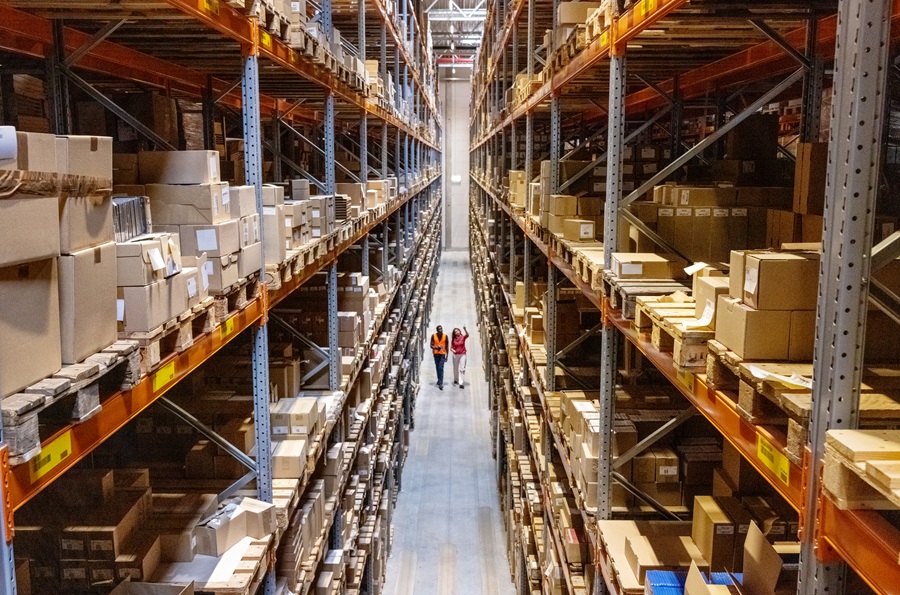
A WMS is designed to manage warehouse inventory. It helps companies keep track of their stock levels, optimize storage, and ensure efficient order fulfillment. These systems are essential for businesses that store goods for extended periods before shipping them out.
Key Functions of a WMS:
- Tracks inventory levels and stock movements
- Optimizes warehouse space for storage
- Manages order picking and packing
- Helps prevent overstocking or stock shortages
- Provides reporting on stock availability
A WMS is ideal for businesses that need to store, manage, and distribute products efficiently, such as retailers, manufacturers, and wholesalers. However, it does not specialize in tracking live freight movements or managing the execution of shipments in real time.
What Is FreightOps?
FreightOps is a freight execution platform that focuses on tracking and managing shipments as they move through a facility. It ensures that freight is correctly received, staged, and loaded, providing complete chain of custody tracking for every shipment. Unlike a WMS, which is centered around inventory, FreightOps is designed to eliminate execution errors, improve dock efficiency, and provide real-time shipment visibility.
Key Functions of FreightOps:
- Tracks every freight movement from arrival to departure
- Ensures shipments are loaded in the correct sequence
- Provides complete chain of custody tracking, recording who handled each shipment and when
- Manages crossdocking, reducing the need for unnecessary storage
- Integrates with TMS, WMS, and DispatchTrack for seamless freight execution
FreightOps is built for businesses that need precise shipment execution, not just inventory control. It is especially valuable for LTL carriers, final mile delivery providers, moving and storage companies, and industries requiring strict shipment accountability.
The Key Differences Between FreightOps and a WMS
The biggest difference between FreightOps and a WMS is their primary function. A WMS is designed to store and manage inventory, while FreightOps is designed to track and execute live freight movements. A WMS ensures products are available for orders, whereas FreightOps ensures shipments are loaded correctly and reach their destination without errors.
A WMS does not track shipment execution in real-time, meaning it cannot tell you who loaded a shipment, what truck it was placed on, or whether it was loaded in the correct sequence. FreightOps provides this level of detail, making it a powerful tool for companies needing live freight visibility.
Do You Need a WMS, FreightOps, or Both?
If your business is focused on inventory control, stock tracking, and order fulfillment, a WMS is the right solution. If you need to manage live shipments, reduce execution errors, and improve dock efficiency, FreightOps is the better choice.
Many companies use both systems together—a WMS to manage inventory and FreightOps to ensure accurate shipment execution. By integrating the two, businesses can track inventory while also ensuring shipments move smoothly from the dock to their destination.
Conclusion
A WMS and FreightOps serve different but complementary roles in logistics. A WMS helps organize inventory, while FreightOps provides real-time shipment execution and tracking. Companies dealing with high-volume freight movement, complex logistics operations, or the need for complete chain of custody control can greatly benefit from FreightOps.
If your company is struggling with freight execution errors, lost shipments, or inefficiencies in loading and tracking shipments, FreightOps can provide the real-time visibility and control needed to improve performance.
Learn More
Want to see how FreightOps can optimize your freight execution? Contact us today for a demo.